
Forest Ecosystem Health
Understanding Forest Ecosystems
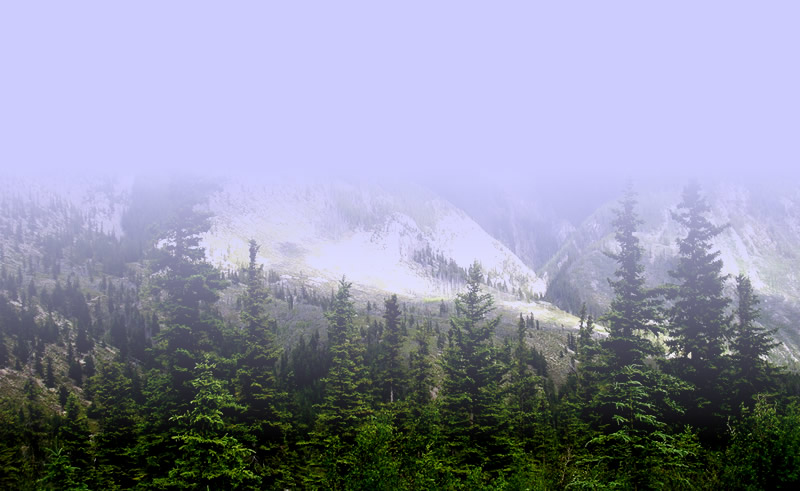
Forest ecosystems are among the most complex and biologically diverse communities on Earth. A single old growth forest may contain hundreds of tree species, thousands of understory plant species, millions of insects, and countless fungi and microorganisms. These organisms interact in intricate webs of relationships that sustain the forest over centuries and millennia.
The Role of Old Growth
Old growth forests possess characteristics that cannot be replicated in young or managed forests. These include large trees with complex canopy structures, standing dead trees (snags) that provide habitat for cavity-nesting birds and mammals, fallen logs in various stages of decay that support diverse communities of invertebrates, fungi, and mosses, and deep forest floor humus layers that regulate water flow and nutrient cycling.
Research has demonstrated that old growth forests in the Pacific Northwest support significantly higher biodiversity than younger forests. The Northern Spotted Owl, a species listed as threatened under the Endangered Species Act, depends specifically on old growth habitat with large trees, complex canopy structure, and abundant prey populations that are found only in mature and old growth forests.
Threats to Forest Health
Industrial Logging
Clearcutting remains the dominant harvesting method on private forestlands in Oregon, despite mounting evidence of its ecological damage. The removal of all trees from a site eliminates wildlife habitat, disrupts soil processes, increases erosion and stream sedimentation, and releases stored carbon into the atmosphere. The conversion of natural forests to single-species plantations further degrades ecosystem health by eliminating structural and species diversity.
Chemical Contamination
Industrial forestry operations in Oregon routinely apply chemical herbicides to recently clearcut lands to suppress competing vegetation and promote the growth of planted conifer seedlings. These herbicides, which include glyphosate, atrazine, and hexazinone, contaminate waterways, kill non-target plants and animals, and pose risks to human health in nearby communities.
Climate Change
Rising temperatures and changing precipitation patterns are already affecting Oregon's forests. Drought stress makes trees more vulnerable to bark beetle outbreaks and disease. Increased fire severity threatens forests that evolved with frequent, low-intensity fire regimes. Shifting climate zones may cause species to become maladapted to their current locations, leading to forest decline in some areas.
Invasive Species
Non-native plants, animals, and pathogens pose growing threats to forest ecosystems. Invasive plants like English ivy, Himalayan blackberry, and Scotch broom can dominate disturbed forest sites, preventing natural regeneration. Introduced pathogens like Port Orford cedar root disease have devastated populations of native tree species. Forest management practices that minimize disturbance and maintain ecosystem integrity help forests resist invasion.
Monitoring and Assessment
Regular monitoring of forest ecosystem health is essential for detecting problems early and evaluating the effectiveness of management practices. Key indicators of forest health include species diversity, tree growth rates, water quality, soil condition, and the abundance of indicator species like lichens, amphibians, and songbirds.
Citizen science programs provide valuable data on forest health while engaging community members in forest stewardship. Organizations like the Sustainable Forestry Network encourage volunteers to participate in forest monitoring activities and contribute to our understanding of how forests are changing over time.
What You Can Do
- Support policies that protect old growth forests and require sustainable harvesting practices
- Buy wood products certified by FSC or similar programs
- Participate in forest restoration volunteer projects
- Report illegal dumping or other forest damage to local authorities
- Educate yourself and others about forest ecology and conservation